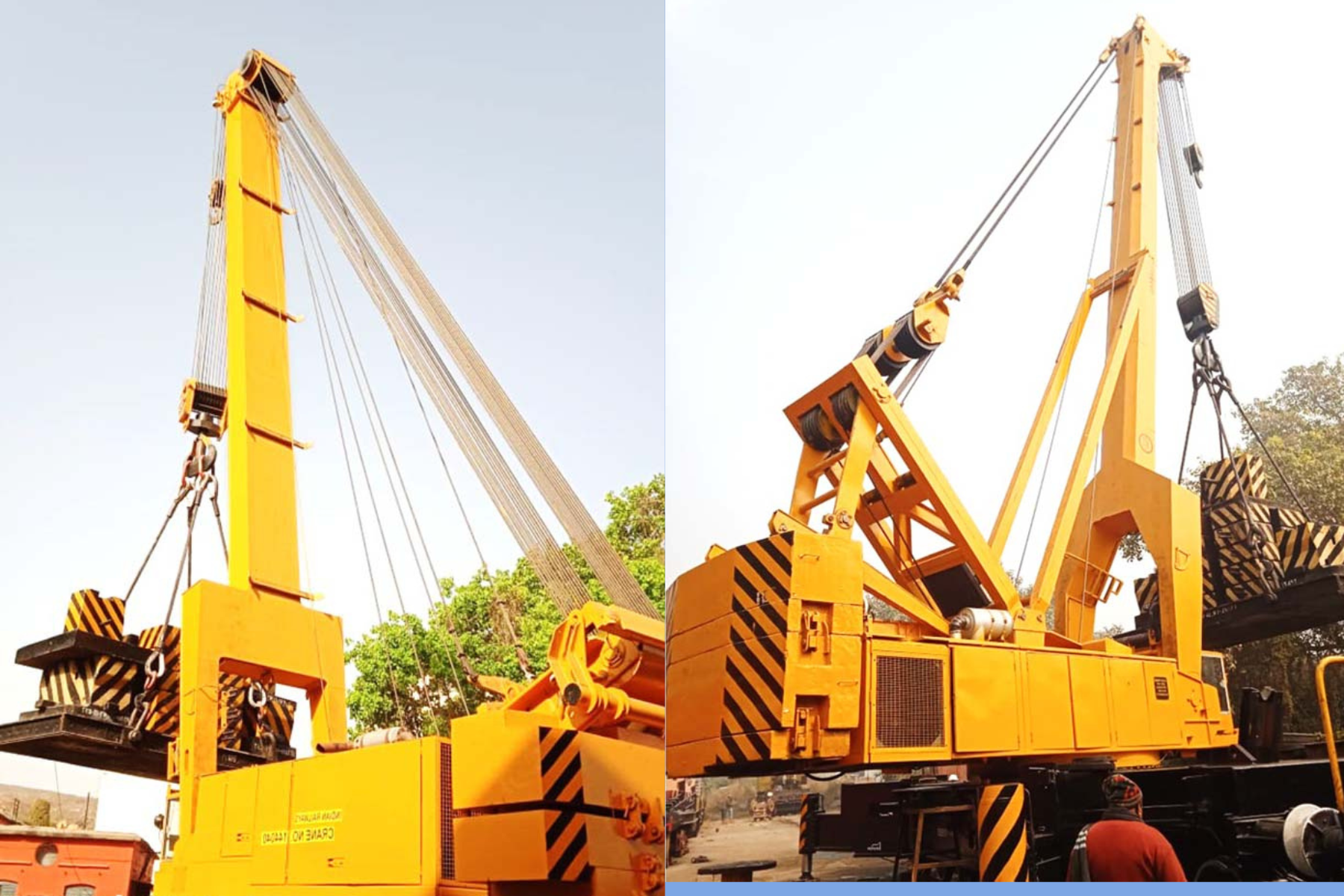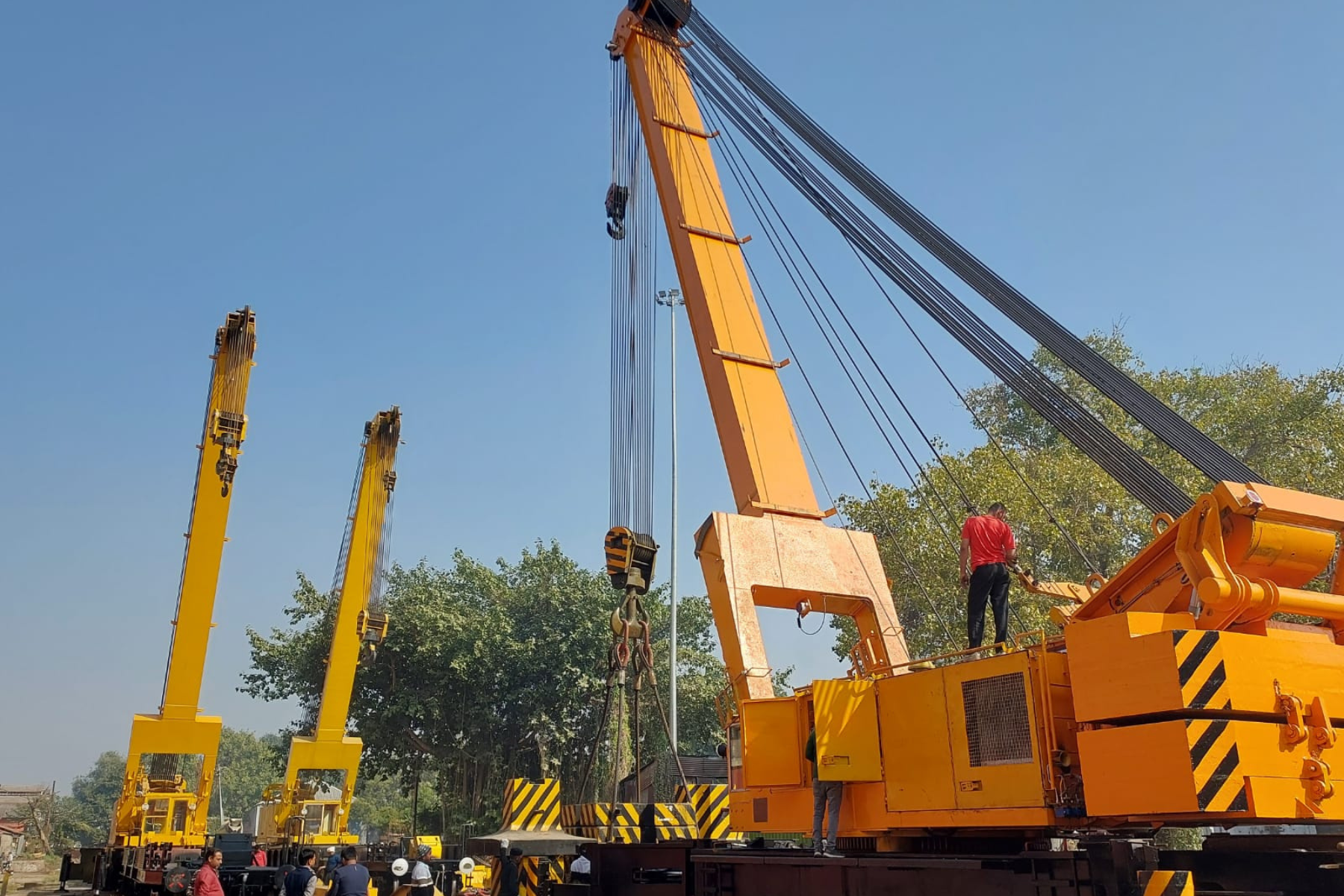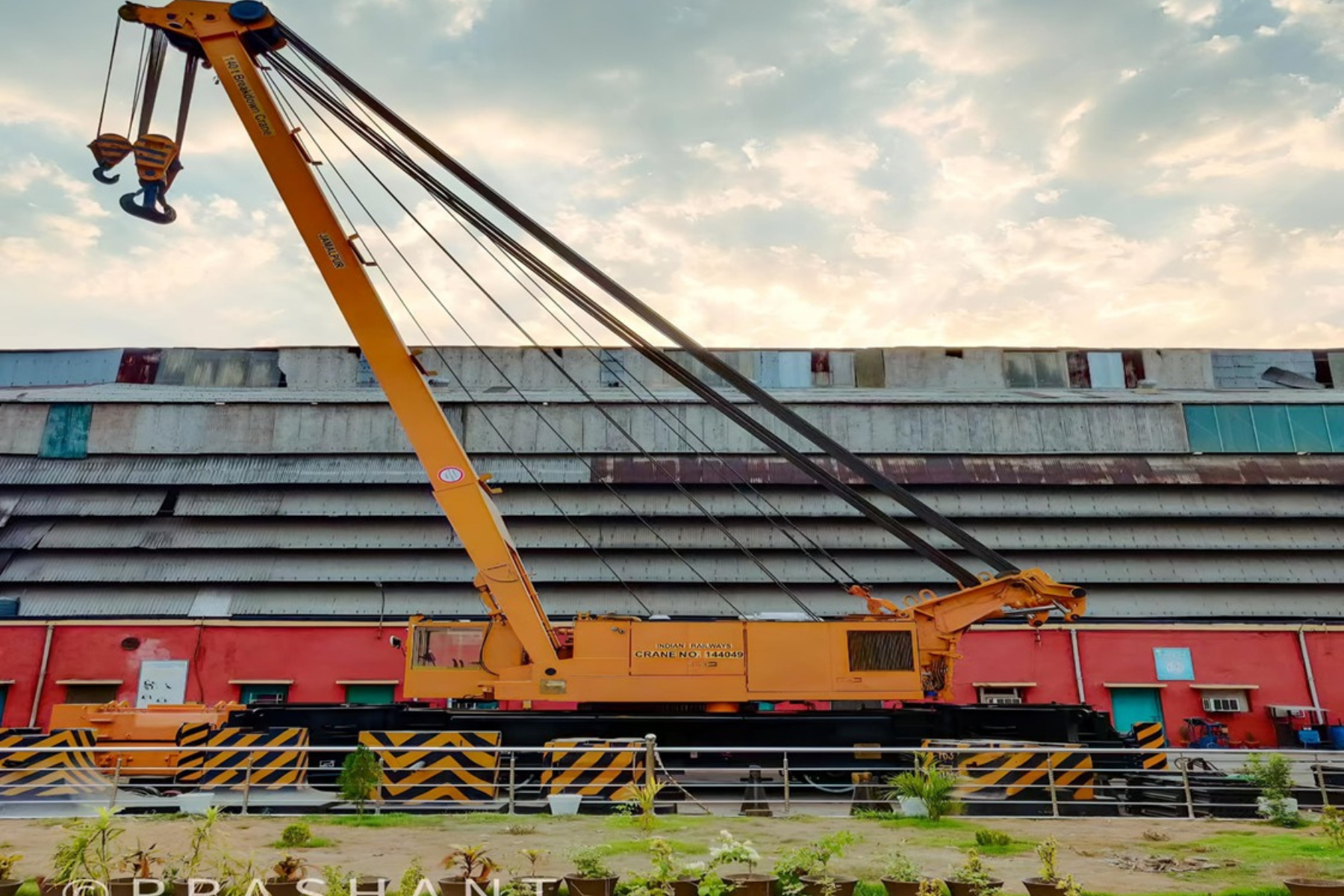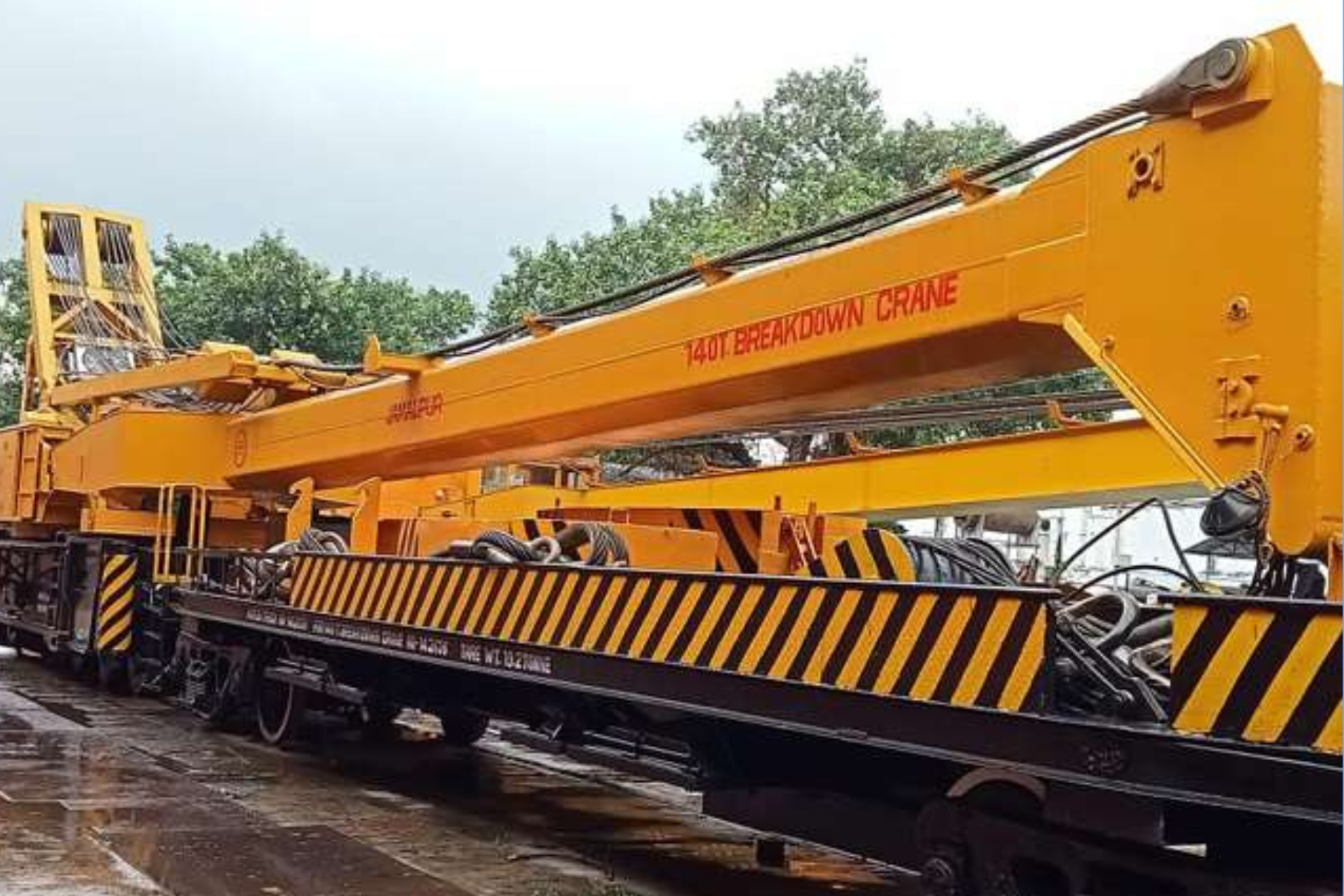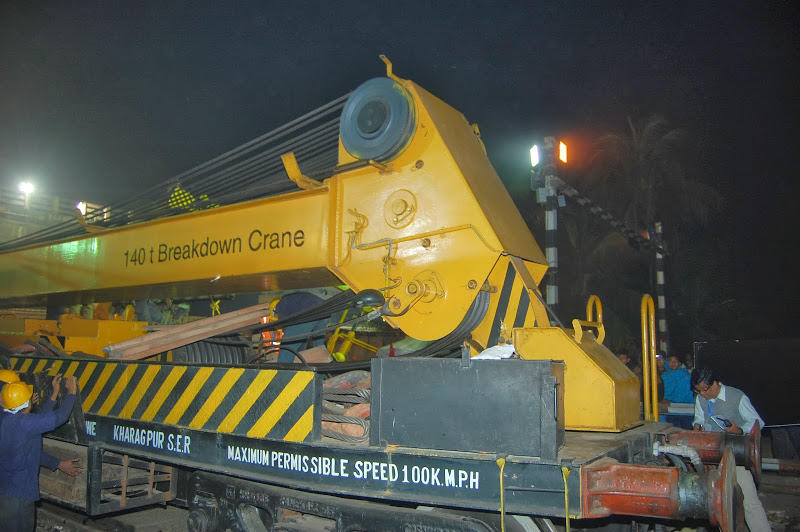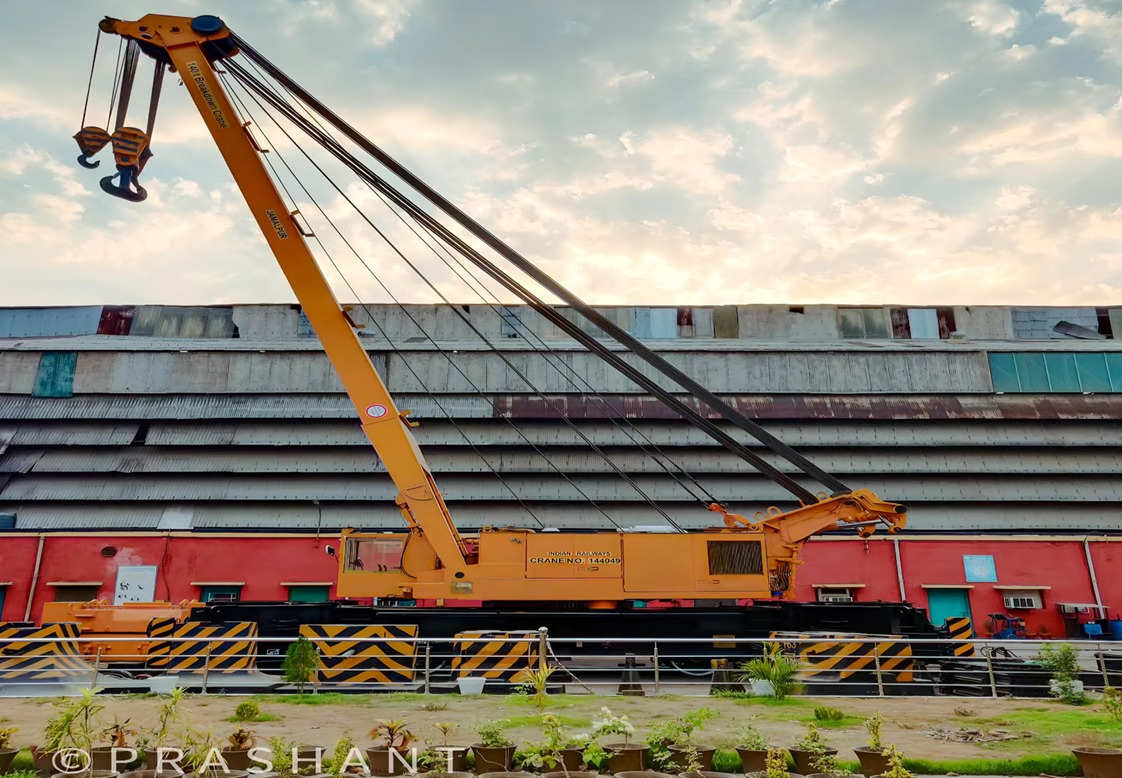
Established in 1862 in Bihar, Jamalpur Workshop has a rich history of manufacturing and maintaining railway equipment. In the 1980s, Indian Railways identified the need for more powerful breakdown cranes to handle heavier rolling stock and improve accident response times.
In 1981, the Railway Board decided that future breakdown cranes should have a lifting capacity of 140 tons on broad gauge tracks, leading to the induction of 140-ton capacity Gottwald-design diesel hydraulic cranes.
Gottwald-Old Design Cranes (1986–1987):
Gottwald-New Design Cranes (1998–1999):
Subsequently, Jamalpur Workshop undertook the indigenous manufacturing of these cranes.
✅ Solution:
Check if solenoid 11MY21 is energized.
Inspect brake valve 7.2 for sticking.
Test pilot valve 17 (should be 30 bar).
Check spool port pressure (25–30 bar).
Confirm pressure at shuttle valves (5, 6, 8, 9).
Clean or replace solenoid, shuttle valve, motor, or brake valve as needed.
Resolve any air locking issues
Note:-Download User Manual For More Detail .
✅ Solution:
Check solenoids 12MY21 & 12MY22 and corresponding relays.
Eliminate air locking.
Inspect spool operation with 6 bar pressure.
Test lamina brake condition.
Overhaul or replace aux. hoist motor (No. 10.1) and gearbox.
Confirm proper functioning of SLI system.
Ensure pilot pressure is adequate
✅ Solution:
Check solenoids 11MY21 & 11MY22.
Verify relay, limit switch, and wire continuity.
Test M2 valve spool (4Mo) shift with 30 bar pilot pressure.
Eliminate air locking in the pressure port.
Overhaul jammed lamina brake or hydraulic motor if faulty.
Check gearbox for damage; replace if needed.
Confirm pilot pressure is present.